Unlocking the Secrets of Mood Stones: A Guide to Understanding Their Power
Mood stones have captivated people for centuries, offering a fascinating intersection between science, spirituality, and personal wellness. These remarkable gemstones and crystals have become increasingly popular in recent years as more individuals seek natural ways to enhance their emotional well-being and spiritual practices. Whether you're a seasoned crystal enthusiast or someone just beginning to explore the world of mood stones, this comprehensive guide will help you understand their origins, how they work, and how to incorporate them into your daily life.
Understanding Mood Stones: The Basics
Mood stones, also known as mood rings or mood crystals, are gemstones and minerals that are believed to change color in response to the wearer's emotional state and body temperature. The concept behind mood stones is rooted in the idea that our emotions directly influence our physical body, including our body temperature and energy levels. When we experience different emotions, our bodies respond with subtle physiological changes, and mood stones are thought to reflect these internal shifts through visible color transformations.
The most commonly recognized mood stone is the thermochromic liquid crystal, which was first popularized in mood rings during the 1970s. However, the broader category of mood stones encompasses various natural gemstones and crystals that practitioners believe possess the ability to attune to our emotional frequencies and provide insight into our inner states.
The History of Mood Stones
The history of mood stones is both interesting and multifaceted. While mood rings became a mainstream phenomenon in the 1970s, the concept of stones having emotional and spiritual properties dates back thousands of years. Ancient civilizations, including the Egyptians, Greeks, and Romans, attributed specific healing and emotional properties to various gemstones and crystals.
The modern mood ring was invented in 1975 by two American inventors, Joshua Reynolds and Maris Ambats. They created a ring containing thermochromic liquid crystals that would change color based on temperature fluctuations. The invention was marketed as a way to read someone's emotional state, and it quickly became a cultural phenomenon. Young people in particular embraced mood rings as a fun and mystical way to understand their feelings.
However, it's important to note that the scientific community has always been skeptical about the direct connection between mood rings and actual emotional states. The color changes in mood rings are primarily driven by body temperature variations, which can be influenced by emotions but are not exclusively determined by them. Despite this scientific skepticism, the popularity of mood stones has persisted and even grown, particularly within alternative wellness and spiritual communities.
The Science Behind Mood Stones
To truly understand mood stones, we need to examine both the scientific explanations and the metaphysical beliefs that surround them. The scientific explanation for mood rings and thermochromic mood stones is relatively straightforward: they contain liquid crystals that change color in response to temperature changes. These liquid crystals are organic compounds that exhibit color-changing properties when exposed to different temperatures.
When your body temperature rises, the liquid crystals in a mood stone will typically shift to warmer colors like red, orange, or yellow. Conversely, when your body temperature drops, the stones may display cooler colors like blue, green, or purple. This temperature sensitivity is a well-documented physical property and is not controversial from a scientific standpoint.
However, the connection between body temperature and emotional state is more complex. While it's true that emotions can influence body temperature through the autonomic nervous system, body temperature is also affected by numerous other factors, including ambient temperature, physical activity, caffeine consumption, hormonal cycles, and various health conditions. This means that a mood stone's color change cannot be reliably used as an accurate indicator of someone's emotional state.
The Metaphysical Perspective
Beyond the scientific explanation, many people believe that mood stones possess metaphysical properties that go beyond simple thermochromism. In this perspective, mood stones are thought to resonate with our energetic bodies and chakras, providing insight into our emotional and spiritual states. Different stones are believed to have different properties and affinities for specific emotions and chakras.
For example, rose quartz is traditionally associated with love and compassion, amethyst with spiritual awareness and intuition, and citrine with abundance and positive energy. Practitioners of crystal healing believe that by carrying or wearing these stones, we can align our energy with their vibrations and promote emotional healing and personal growth.
This metaphysical understanding of mood stones is not supported by scientific evidence, but it remains an important part of many people's spiritual practices and wellness routines. The power of mood stones in this context may be partly attributed to the placebo effect, which is a well-documented psychological phenomenon where believing in a treatment can lead to actual improvements in well-being.
Popular Types of Mood Stones
There are numerous types of mood stones available, each with its own unique properties and associations. Understanding the different varieties can help you choose the stones that resonate most with your personal needs and intentions.
Amethyst
Amethyst is one of the most popular and widely recognized mood stones. This purple variety of quartz is believed to promote calmness, spiritual awareness, and intuition. Many people use amethyst to reduce stress and anxiety, improve sleep quality, and enhance their meditation practices. The stone is associated with the crown chakra and is thought to facilitate spiritual growth and higher consciousness.
Rose Quartz
Rose quartz is known as the stone of love and compassion. Its soft pink color is associated with emotional healing, self-love, and nurturing relationships. People often carry rose quartz to promote forgiveness, reduce anger, and cultivate a more loving and compassionate approach to life. This stone is particularly popular among those working on healing emotional wounds and building stronger connections with others.
Citrine
Citrine, a yellow to golden variety of quartz, is believed to attract abundance, prosperity, and positive energy. Many people use citrine in their homes or workplaces to promote success and financial well-being. The stone is also associated with joy, confidence, and personal power, making it popular among those seeking to boost their self-esteem and manifest their goals.
Black Tourmaline
Black tourmaline is a powerful protective stone that is believed to shield against negative energy and electromagnetic radiation. Many people place black tourmaline in their homes or carry it with them for protection and grounding. The stone is associated with the root chakra and is thought to promote feelings of safety and stability.
Lapis Lazuli
Lapis lazuli is a deep blue stone that has been valued for thousands of years. It is believed to enhance communication, promote truth and wisdom, and facilitate spiritual insight. Many people use lapis lazuli to improve their ability to express themselves and to connect with their inner truth.
Selenite
Selenite is a transparent or translucent crystal that is believed to promote clarity, peace, and spiritual connection. Many people use selenite to cleanse their energy, enhance their intuition, and facilitate meditation. The stone is associated with the crown chakra and is thought to facilitate connection with higher consciousness.
How to Choose Your Mood Stones
Selecting the right mood stones for your needs is a personal process that should take into account your intentions, intuition, and the specific properties you're seeking. Here are some guidelines to help you choose mood stones that will serve you well.
Consider Your Intentions
Before selecting a mood stone, take time to reflect on what you hope to achieve or improve in your life. Are you seeking emotional healing, spiritual growth, protection, or abundance? Once you've identified your primary intention, you can research which stones are traditionally associated with that goal.
Trust Your Intuition
Many people believe that stones choose their owners as much as owners choose their stones. When shopping for mood stones, pay attention to which ones you're drawn to. You might feel a physical sensation, see a particular color that appeals to you, or simply feel a sense of resonance with a particular stone. Trusting your intuition in this process can lead you to the stones that are most beneficial for you.
Quality and Authenticity
When purchasing mood stones, it's important to buy from reputable sources to ensure you're getting authentic, high-quality stones. Be wary of extremely cheap stones, as they may be synthetic or treated in ways that affect their properties. A reputable seller should be able to provide information about the origin and authenticity of their stones.
Size and Form
Mood stones come in various sizes and forms, including raw crystals, polished stones, jewelry, and decorative pieces. Consider how you plan to use the stone when deciding on its form. If you want to carry it with you, a smaller stone or piece of jewelry might be most practical. If you want to place it in your home or office, a larger decorative piece might be more appropriate.
Using Mood Stones in Your Daily Life
Once you've selected your mood stones, there are many ways to incorporate them into your daily routine to maximize their benefits. Here are some popular methods for working with mood stones.
Carrying Mood Stones
One of the simplest ways to benefit from mood stones is to carry them with you throughout the day. You can keep a small stone in your pocket, purse, or bag, or wear it as jewelry such as a necklace, bracelet, or ring. Having the stone close to your body allows you to benefit from its energy throughout the day and serves as a reminder of your intentions.
Meditation with Mood Stones
Many people incorporate mood stones into their meditation practice. You can hold a stone in your hand, place it on your body at the corresponding chakra, or simply have it nearby while you meditate. Some practitioners believe that meditating with mood stones can deepen their practice and facilitate spiritual insights.
Creating a Crystal Grid
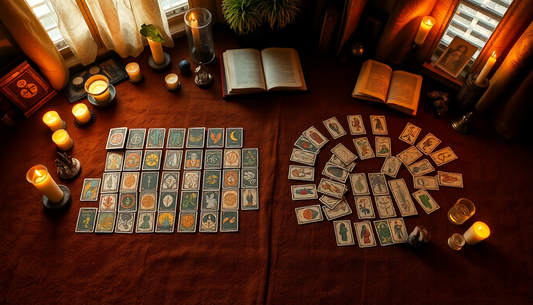
A crystal grid is an arrangement of stones placed in a specific geometric pattern to amplify their energy and manifest a particular intention. You can create a crystal grid in your home or office using mood stones that correspond to your desired outcome. Many people find that working with crystal grids helps them focus their intention and accelerate their manifestation efforts.
Placing Stones in Your Home
Positioning mood stones strategically throughout your home can help create a supportive and harmonious environment. For example, you might place amethyst in your bedroom to promote restful sleep, rose quartz in your living room to encourage loving relationships, or black tourmaline near your front door for protection.
Wearing Mood Stone Jewelry
Mood stone jewelry, such as rings, necklaces, bracelets, and earrings, allows you to benefit from the stone's energy while also making a beautiful fashion statement. Wearing mood stone jewelry keeps the stone's vibration close to your body throughout the day and serves as a constant reminder of your intentions.
The Chakra Connection
In many spiritual traditions, mood stones are associated with the body's energy centers, known as chakras. Understanding the chakra system can help you select and use mood stones more effectively.
Root Chakra
The root chakra, located at the base of the spine, is associated with grounding, stability, and security. Red and black stones, such as red jasper and black tourmaline, are believed to support the root chakra. Working with these stones can help you feel more grounded and secure in your life.
Sacral Chakra
The sacral chakra, located in the lower abdomen, is associated with creativity, sexuality, and emotional expression. Orange stones, such as carnelian and orange calcite, are believed to support the sacral chakra. These stones can help you access your creative power and express your emotions more freely.
Solar Plexus Chakra
The solar plexus chakra, located in the upper abdomen, is associated with personal power, confidence, and willpower. Yellow stones, such as citrine and yellow topaz, are believed to support the solar plexus chakra. Working with these stones can help you build confidence and take control of your life.
Heart Chakra
The heart chakra, located in the center of the chest, is associated with love, compassion, and connection. Green and pink stones, such as rose quartz and green aventurine, are believed to support the heart chakra. These stones can help you open your heart to love and cultivate compassion for yourself and others.
Throat Chakra
The throat chakra, located in the throat, is associated with communication, truth, and self-expression. Blue stones, such as lapis lazuli and aquamarine, are believed to support the throat chakra. Working with these stones can help you express yourself more clearly and authentically.
Third Eye Chakra
The third eye chakra, located between the eyebrows, is associated with intuition, insight, and spiritual awareness. Indigo and purple stones, such as amethyst and indigo gabbro, are believed to support the third eye chakra. These stones can help you develop your intuition and access deeper spiritual insights.
Crown Chakra
The crown chakra, located at the top of the head, is associated with spiritual connection, enlightenment, and higher consciousness. Clear and white stones, such as clear quartz and selenite, are believed to support the crown chakra. Working with these stones can help you connect with your higher self and access spiritual wisdom.
Cleansing and Charging Your Mood Stones
To maintain the effectiveness of your mood stones, it's important to cleanse and charge them regularly. Many practitioners believe that stones absorb negative energy and need to be cleared periodically to restore their vibrational properties.
Cleansing Methods
There are several methods for cleansing mood stones. One popular method is to place the stones under running water, such as a stream or faucet, while visualizing negative energy being washed away. Another method is to smudge the stones with sage or other cleansing herbs, passing the stone through the smoke several times. Some people prefer to bury their stones in the earth for a period of time, allowing the earth's energy to cleanse and reset them.
Charging Methods
After cleansing, many people charge their mood stones to amplify their energy and intention. One popular method is to place the stones in sunlight for several hours, as the sun's energy is believed to energize and revitalize the stones. Moonlight charging is another popular method, particularly during the full moon, which is believed to be a powerful time for charging and manifestation. Some people also charge their stones by placing them on a larger quartz crystal or in a crystal cluster.
Mood Stones and Mental Health
While mood stones are not a substitute for professional mental health treatment, many people find them to be a helpful complement to their mental health and wellness practices. It's important to understand both the potential benefits and limitations of using mood stones for emotional well-being.
The Placebo Effect
One of the most significant ways that mood stones may benefit mental health is through the placebo effect. When we believe that something will help us feel better, our brains often respond by actually producing improvements in our mood and well-being. This is not to say that the benefits are imaginary; rather, the power of belief itself can trigger real physiological and psychological changes.
Mindfulness and Intention Setting
Using mood stones can serve as a powerful tool for mindfulness and intention setting. By regularly working with your stones and focusing on your intentions, you create a structured practice that encourages self-reflection and conscious goal-setting. This mindfulness practice itself can have significant benefits for mental health and emotional well-being.
Complementary Practice
Many people find that mood stones work best as part of a comprehensive approach to mental health that includes therapy, meditation, exercise, healthy eating, and other evidence-based wellness practices. Rather than relying solely on mood stones, it's beneficial to view them as one tool among many that can support your overall well-being.
Common Misconceptions About Mood Stones
There are several misconceptions about mood stones that are worth addressing. Understanding the truth about these stones can help you develop a more realistic and balanced perspective on their use.
Misconception 1: Mood Stones Can Diagnose Emotional States
One common misconception is that mood stones can accurately diagnose or identify your emotional state. While mood rings do change color in response to body temperature, this is not a reliable indicator of emotions. Body temperature is influenced by many factors beyond emotions, and the same emotional state can produce different body temperatures in different people.
Misconception 2: Mood Stones Work Instantly
Another misconception is that mood stones will produce immediate and dramatic changes in your life. In reality, if mood stones do have benefits, these benefits typically develop gradually over time through consistent use and intention setting. Expecting instant results can lead to disappointment and disillusionment.
Misconception 3: All Mood Stones Are Equally Effective
Different stones are believed to have different properties and affinities for different purposes. It's not accurate to assume that all mood stones work the same way or are equally effective for all people. Finding the right stones for your specific needs and intentions is an important part of the process.
Misconception 4: Mood Stones Replace Professional Help
Perhaps the most important misconception to address is the idea that mood stones can replace professional mental health treatment. While mood stones may be a helpful complement to therapy and other evidence-based treatments, they should never be used as a substitute for professional help when dealing with serious mental health issues.
The Science of Crystal Healing: What Research Shows
While the metaphysical claims about mood stones are not supported by rigorous scientific evidence, there is some interesting research on the broader topic of crystal healing and its effects on well-being.
Limited Scientific Evidence
The scientific evidence for crystal healing is limited and mixed. Most rigorous studies have found that the effects of crystal healing are not significantly different from placebo effects. However, this doesn't necessarily mean that crystals have no value; rather, it suggests that their primary benefit may come through psychological mechanisms like the placebo effect and mindfulness rather than through any inherent metaphysical properties.
The Power of Belief
Research on the placebo effect has shown that belief in a treatment can produce real physiological and psychological